Identify Pests
How to Identify Rats
Rats are famously common in New York City and famously large. Many do not realize that they are just as widespread in the suburbs of Long Island, Westchester, and 5 Boroughs. Most rats are about 13 to 18 inches long and weigh a half pound to a pound, although some have been known to reach the size of a cat and weigh as much as thirteen pounds.
THE SIGNS OF Rats
Rats are often active at night and tend to stay hidden inside walls, attics, basements, crawl spaces, garages, and other secluded areas. Because of this, you may notice evidence of a rat infestation before you actually see a rat.
Some of the most common signs of rats in your home or business include:
⦿ Rat Droppings: Dark, pellet-shaped droppings may be found near food sources, along walls, inside cabinets, under sinks, or in other areas where rats travel.
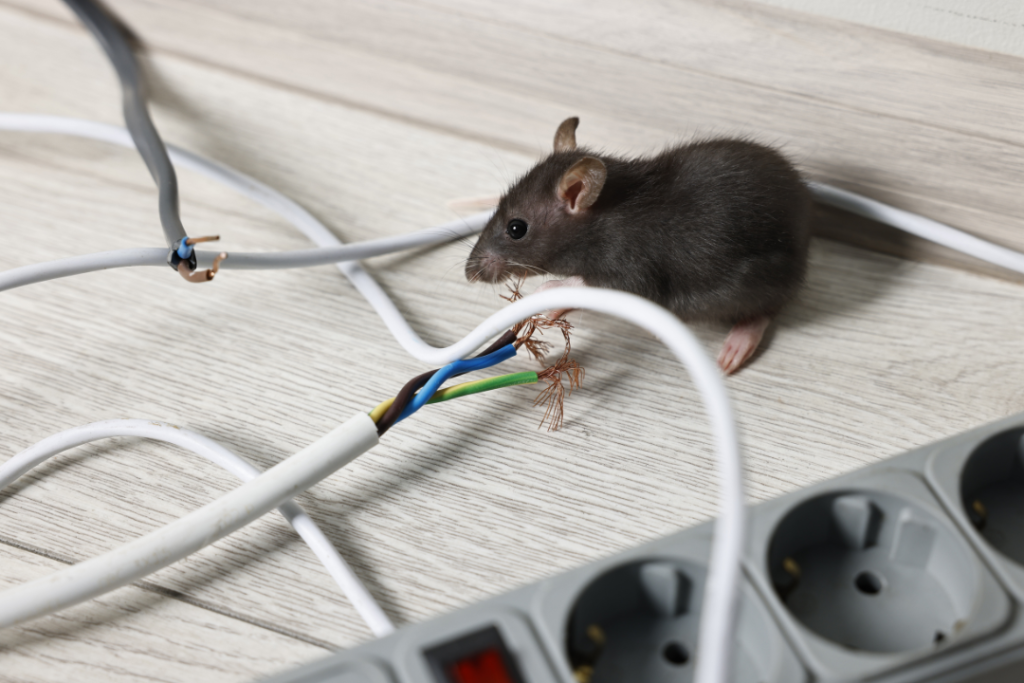
⦿ Gnaw Marks: Rats have continuously growing teeth and will chew on wood, plastic, cardboard, insulation, pipes, and even electrical wiring.
⦿ Scratching or Scurrying Sounds: Noises coming from walls, ceilings, attics, or beneath floors, especially at night, can indicate rats moving through the structure.
⦿ Grease and Rub Marks: Rats frequently travel along the same paths and may leave dark, greasy marks along walls, baseboards, pipes, and entry points.
⦿ Nesting Materials: Shredded paper, fabric, cardboard, insulation, and other soft materials may indicate that rats have established a nesting area.
⦿ Burrows or Entry Points: Holes around foundations, garages, sheds, crawl spaces, utility lines, or landscaping may provide rats with access to your property.
⦿ Unusual Pet Behavior: Dogs and cats may become unusually focused on certain walls, cabinets, appliances, or other areas where they can hear or smell rodent activity.
Seeing even one rat or finding fresh evidence of activity should not be ignored. Rats reproduce quickly, and a small problem can develop into a larger infestation if the source and entry points are not addressed.
If you suspect rats in your New York City, Long Island, Westchester, or 5 Boroughs property, Knockout Pest Control can identify where they are hiding, determine how they are getting inside, and develop a targeted plan to knock them out.
Request An Estimate
THE RISKS OF Rats
Spread Diseases
Rats are known to transmit a number of diseases directly through handling them or contact with their urine, feces, or saliva.
Property Damage
Rats are extremely strong chewers and gnawers, known to damage a variety of household items, as well as structural components like pipes and wires, which can lead to electrical fires.
Attract Other Pests
Rats often carry ticks, mites, and fleas on them which can act as additional disease vectors, in addition to added household pests.
Leave Their Mark
In addition to leaving behind urine and droppings, rats will also leave greasy trails and/or rub marks along the paths they travel in your home, such as along your baseboards.
How WE KNOCK OUT Rats
While some pests are relatively easy to get rid of, rats most definitely are not. A single method of dealing with rats is not likely to be successful. Rats are wily, adaptable, and dangerous. They bite! Black rats and the very common Norway Rat are resistant to many kinds of rat poison. If you have pets or young children, it may hurt them more than the rats.
A professional exterminator like Knockout Pest Control will take a comprehensive approach involving traps, baits, and chemical treatments. A professional is also an expert at finding out how Rats are getting in and closing off any avenues of infestation. You may also wish to explore a long-term approach to keep rats out. Once they have identified your structure as “home” they will keep trying to get in. It may take deterring several generations of rats before you have fully dealt with the problem.