


The Great Rodent Move-In: Why October Is Prime Time for Mice on Long Island
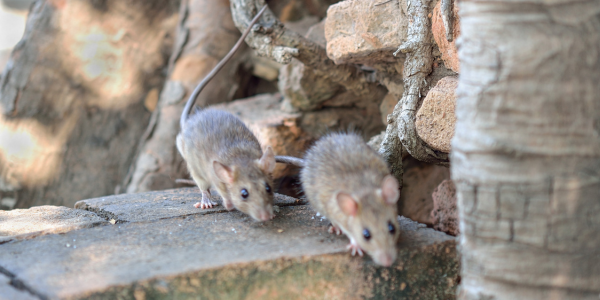
The air gets crisp, the leaves start to fall—and right around the time you’re pulling out sweaters and Halloween decorations, mice begin their annual migration indoors. For homeowners across Long Island, October marks the start of what we call The Great Rodent Move-In.
Mice aren’t just a fall nuisance; they’re opportunists. As temperatures drop, they’re on a mission to find warmth, shelter, and food—and your home checks every box.
Why October Kicks Off Rodent Season
The pattern happens like clockwork every year. Once nighttime lows dip into the 50s, mice begin leaving outdoor nests to seek indoor shelter. Fall on Long Island provides the perfect storm of conditions:
- Falling Temperatures: Mice can’t regulate their body heat well, so they head for the nearest warm refuge—garages, crawl spaces, and basements.
- Harvest Season Leftovers: Bird seed, pet food, and outdoor trash attract rodents before they move indoors.
- Openings Everywhere: Foundation cracks, utility lines, garage doors, and even gaps under siding act as ready-made entry points.
By October, many homeowners already have uninvited tenants settling in for the season!
The Most Common Entry Points in Long Island Homes
Mice can squeeze through holes the size of a dime. Even new homes aren’t immune, especially those near wooded areas or open fields. Here are some of the top places Knockout technicians find rodents entering:
- Gaps around gas and cable lines
- Open vents and dryer exhausts
- Loose weatherstripping around doors and garages
- Cracks in foundations and basement windows
- Utility chases behind kitchen appliances
Once inside, mice follow walls, wiring, and plumbing to travel from room to room—making their nests in insulation, stored boxes, or behind appliances.
Early Warning Signs of a Rodent Problem
Catching the problem early is the key to stopping an infestation. Keep an eye (and ear) out for these common indicators:
- Droppings: Small, dark pellets—especially around food storage or along baseboards.
- Nocturnal Noises: Scratching, squeaking, or scurrying in walls, ceilings, or attics after dark.
- Gnaw Marks: On baseboards, wires, boxes, or food packaging.
- Grease Smudges: Rodents leave oily trails along walls and floorboards.
- Nesting Material: Shredded insulation, paper, or fabric in hidden corners.
If you spot one or more of these signs, it’s time to act fast.
Why Ignoring Mice Leads to Bigger Problems
It’s tempting to hope one mouse came and went, but the reality is rarely that simple. Mice reproduce fast—a single pair can produce up to 60 offspring per year. Once they’re inside, the problem spreads quickly.
Here’s what can happen if you delay:
- Chewed Electrical Wires: One of the most common causes of home electrical fires in winter.
- Contaminated Food: Mice spread salmonella and hantavirus through droppings and urine.
- Damaged Insulation: Rodent tunnels reduce energy efficiency and create odor issues.
- Structural Damage: Gnawing weakens wood, drywall, and plastic pipes.
How to Prevent Rodent Move-In This Fall
Prevention is the best way to win the battle before it starts. Our team recommends a few simple steps every homeowner can take in October:
1. Inspect for Gaps and Seal Entry Points
Walk your home’s exterior and seal cracks with steel wool and caulk. Install weatherstripping and door sweeps where you see daylight.
2. Declutter Basements and Garages
Stack boxes off the floor and use sealed plastic bins instead of cardboard. Cluttered corners create the perfect nesting spots.
3. Store Food Securely
Keep pantry goods and pet food in airtight containers. Wipe up crumbs immediately and empty trash nightly.
4. Trim Vegetation and Firewood Storage
Keep shrubs, firewood, and debris at least three feet from your home’s foundation. Overgrowth provides cover for rodents approaching your house.
5. Schedule a Fall Pest Inspection
A professional inspection ensures no entry points are missed. Knockout technicians use specialized tools to locate rodent activity—even behind walls and insulation.
Because Knockout Pest Control is locally based, our team understands the patterns, construction styles, and seasonal triggers unique to Long Island homes. That means faster detection, smarter prevention, and safer results.
Keep the Upper Hand This October
When it comes to rodents, October is your window to stay ahead. Once winter hits, infestations are harder—and costlier—to control.
If you’ve noticed droppings, scratching, or signs of gnawing, now’s the time to act. Knockout Pest Control provides fast, professional service to remove rodents and seal them out for good.
Schedule your fall rodent inspection today and stop the move-in before it begins.