


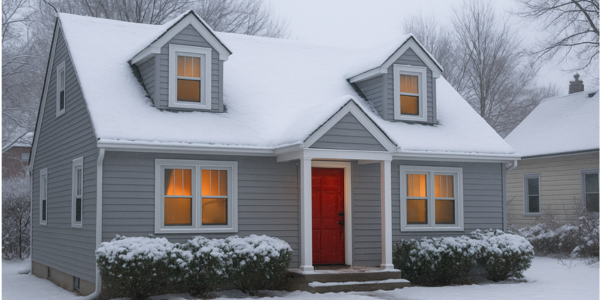
Winter Pests on Long Island: They’re Not Gone—They’ve Just Gone Inside
When winter settles over Long Island, homeowners breathe a sigh of relief thinking pest season is finally over. The truth? Winter doesn’t eliminate pest activity—it simply moves it indoors. As temperatures drop, pests don’t disappear… they follow warmth, moisture, and shelter straight into your home.
From rodents settling into attics to cockroaches clustering near heat sources and bed bugs spreading through holiday travel, winter is one of the most active pest seasons—just in a different way.
If you’ve been hearing noises in the walls, spotting movement in the basement, or noticing pests in places they “shouldn’t be” this time of year, you’re not imagining things. Winter pests are real, persistent, and especially common across Long Island homes.
This guide breaks down which pests stay active indoors during winter, why they move inside, and how to protect your home when cold weather hits.
Why Winter Increases Indoor Pest Activity
Even though outdoor pest sightings decrease, winter actually increases the risk inside homes—and here’s why:
1. Your Home Becomes Their Lifeline
Cold weather removes food, moisture, and shelter outdoors. Inside your home, pests can find everything they need in one place.
2. Heat Sources Attract Pests
Rodents, roaches, and spiders gravitate toward:
• boilers and furnaces
• kitchen appliances
• laundry rooms
• hot-water pipes
• baseboard heating
Anywhere warm becomes prime real estate!
3. Holiday Clutter Creates Hiding Spots
Gift bags, wrapping paper, boxes, suitcases, storage bins—winter creates more clutter, making it easier for pests to hide and spread undetected.
4. Travel and Visitors Increase Exposure
People, luggage, and packages move through your home more frequently during the winter holidays, giving pests—especially bed bugs—more opportunities to hitch a ride.
The Most Common Winter Pests on Long Island
Winter pest activity is different from what homeowners see in spring and summer. Here are the pests most likely to show up in your home between December and March:
1. Mice and Rats
Winter is peak rodent season on Long Island.
As temperatures drop, rodents search for warm, insulated, food-rich environments. Your home offers:
• easy access points
• stored food
• heat
• cluttered hiding spots
Mice often move into kitchens, garages, attics, and wall voids. Rats prefer basements, crawlspaces, and utility rooms.
Warning signs:
• scratching in walls at night
• droppings near appliances
• gnawed food packaging
• damaged wiring or insulation
2. Cockroaches
Contrary to what many believe, roaches thrive in winter—indoors.
Roaches seek heat and moisture, which is why they show up near:
• ovens
• refrigerators
• dishwashers
• boiler rooms
• bathroom plumbing
Once indoors, roaches multiply quickly and spread to other areas of the home.
Warning signs:
• activity at night
• droppings that resemble pepper flecks
• musty or oily odors
• egg casings near cabinets or appliances
3. Bed Bugs
Bed bugs aren’t seasonal—they are active year-round. But winter months bring a higher risk because of:
• holiday travel
• overnight guests
• luggage coming and going
• college students returning home
Bed bugs spread by movement, not temperature.
Warning signs:
• unexplained bites in clusters
• stains on sheets or mattress seams
• tiny dark specks along baseboards or bed frames
4. Spiders
Most spiders found during winter have been living indoors the entire year—they simply become more noticeable in quiet rooms as temperatures shift.
Basements, garages, closets, and storage spaces give spiders places to hide and hunt insects that moved indoors for warmth.
Warning signs:
• webs in corners or utility areas
• spider sightings in basements or garages
Why Pests Choose Long Island Homes in Winter
Homes on Long Island offer unique winter challenges because many properties include:
• unfinished basements
• older insulation
• older garage structures
• crawlspaces
• gaps from shifting temperatures
• heating systems that create warm pockets
Winter weather puts stress on home exteriors, widening cracks, shifting materials, and weakening barriers that keep pests out.
Where Winter Pests Hide in Your Home
Knockout technicians consistently find winter pests in these locations:
Rodents
• attic insulation
• under kitchen appliances
• behind boilers
• inside garages
• wall voids
Cockroaches
• around ovens and sinks
• inside cabinetry gaps
• near heating pipes
• in laundry rooms
Bed Bugs
• guest rooms
• sofas and sectionals
• luggage storage areas
Spiders
• basements
• window wells
• crawlspaces
• storage rooms
Winter pests are experts at staying hidden—until the signs become impossible to ignore.
How to Pest-Proof Your Home for Winter
A few changes now can dramatically reduce indoor pest activity:
1. Seal Gaps and Entry Points
Patch foundation cracks, replace worn door sweeps, and seal gaps around pipes or vents.
2. Improve Storage Habits
Use plastic bins instead of cardboard, especially in basements and garages.
3. Reduce Moisture
Fix leaks, run dehumidifiers, and address condensation around pipes.
4. Keep Food Areas Tightly Managed
Store food in airtight containers, wipe spills quickly, and clean under appliances.
5. Inspect Travel Items
If you traveled or hosted guests, check luggage, clothing, and bedding carefully.
6. Schedule a Winter Pest Inspection
Winter is when hidden infestations become active—and easier to catch early.
Don’t Wait for Winter Pests to Reveal Themselves
Most winter pest problems begin quietly and grow quickly. By the time you see activity, the infestation may already be established behind walls, under appliances, or in storage areas.
Knockout Pest Control helps Long Island homeowners stay protected all winter long—eliminating active pests and preventing new ones from moving in.