

Bed Bugs Don’t Hibernate: Staying Vigilant Through the Holidays
The holiday season on Long Island brings travel plans, houseguests, shopping bags, and plenty of luggage moving in and out of the home. What many homeowners don’t realize is that this festive level of activity also creates the perfect opportunity for bed bugs to spread. These pests thrive indoors year-round, and winter doesn’t slow them down — it simply changes how they find their way in.
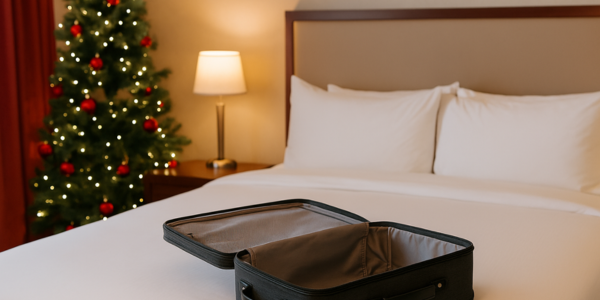
From hotel stays and holiday travel to visiting relatives and college students coming home for break, December is one of the most common times for bed bugs to hitch a ride unnoticed. A suitcase placed on a bed, a coat dropped on a guest room chair, or a bag stored on the floor can be all they need.
Whether you’re hosting family, heading out of town, or prepping your home for a busy month of celebrations, staying aware is the best way to avoid an unwelcome surprise this season. Here’s why holiday routines elevate your risk — and what Long Island homeowners can do to stay protected.
Why Bed Bugs Stay Active All Winter Long
Unlike many pests, bed bugs don’t depend on the weather—they depend on people. As long as they have access to a warm environment and a host to feed on, they remain active year-round.
Here’s why they don’t slow down in winter:
1. They Live Indoors Full-Time
Bed bugs aren’t found outside in cold temperatures. Homes, hotels, dorm rooms, and public environments keep them warm enough to thrive even in the coldest months.
2. Heating Systems Help Them Survive
In winter, indoor temperatures rise thanks to heating systems. This creates a stable and comfortable environment where bed bugs can continue to reproduce.
3. They Don’t Need Much to Survive
Bed bugs can go weeks without feeding, making it easy for them to wait in suitcases, clothing piles, or guest rooms without being noticed.
The bottom line: Winter doesn’t slow them down—and holiday activity gives them even more opportunities to spread.
How Bed Bugs Sneak In During the Holidays
The holiday season creates the exact conditions that help bed bugs move from place to place unnoticed.
1. Holiday Travel
Whether you’re checking into a hotel or staying with relatives, travel is the #1 way bed bugs spread. Bed bugs crawl into bags, clothing, or personal items, often without being seen.
2. College Students Returning Home
Dorms, shared housing, and public transportation are high-risk environments. Students often reintroduce bed bugs without knowing they were exposed.
3. Overnight Guests
Hosting friends or family? Their luggage, coats, or belongings may unintentionally transport bed bugs into your home.
4. Secondhand Bargains and Holiday Deals
Used furniture, vintage holiday décor, guest mattresses, or thrifted items can harbor bed bugs—even if they look clean.
5. Increased Clutter
Wrapping paper, guest bedding, luggage piled by the door, and holiday shopping bags give bed bugs extra hiding places.
Winter doesn’t reduce exposure—it increases it.
Signs of Bed Bugs to Look For This Winter
Bed bugs are experts at hiding, but they leave behind clues. If you’re hosting or returning from travel, watch for:
- Small reddish-brown spots on sheets or mattresses
- Tiny black specks (droppings) around seams
- Itchy bites in clusters or lines
- Shed skins or eggs in mattress seams
- A sweet, musty odor in more severe cases
They hide in more than just beds. Check couches, headboards, nightstands, baseboards, and luggage storage areas.
How to Prevent Bed Bugs This Holiday Season
Here’s how to stay ahead during travel, hosting, or holiday chaos:
1. Be Smart About Travel
Inspect hotel beds and headboards before unpacking. Keep suitcases on luggage racks rather than the floor or bed.
2. Handle Luggage Carefully
When returning home:
- Unpack in a laundry room if possible
- Wash clothes on high heat
- Inspect luggage seams
- Store suitcases away from bedrooms
3. Prep Your Guest Room
Provide luggage racks, avoid placing suitcases on beds, and reduce clutter so hiding spots are limited.
4. Be Cautious With Used Items
If you buy secondhand furniture or décor, inspect seams, joints, and fabrics thoroughly before bringing them inside.
5. Watch for Post-Visit Signs
If you hosted guests, keep an eye out for signs in bedding, sofa seams, or guest areas over the next few weeks.
These steps minimize risk—but they don’t guarantee prevention. Bed bugs are resilient, discreet, and fast-moving during high-travel seasons.
Why DIY Pest Control Doesn’t Work with Bed Bugs
Home remedies don’t eliminate bed bugs, and most sprays make them spread instead of disappear. Bed bugs hide too deeply inside walls, mattress seams, electrical outlets, and furniture for DIY pest control products to reach.
Professional treatment is the only way to fully remove them, especially during winter when they spread easily from room to room.
You should call a professional if you:
- See stains or droppings on bedding
- Notice unexplained bite patterns
- Recently returned from travel
- Hosted guests from high-risk environments
- Found bugs in luggage or clothing
Early detection prevents full-home spread—and saves you from a major holiday headache.
Stay Bed Bug-Free All Winter with Knockout Pest Control
Bed bugs don’t hibernate. They don’t slow down. And they certainly don’t take December off.
If you’re traveling, hosting, or unpacking seasonal items, vigilance is key. Knockout Pest Control provides discreet, fast, and effective bed bug inspections and treatments for Long Island homes all winter long. Whether you’ve noticed signs or just want peace of mind during a high-risk season, we’re here to help.